What Is Type A Jade?
In the jadeite industry, Type A Jade refers to natural jadeite that has not undergone chemical treatment to alter its appearance.
A genuine Type A jadeite piece is:
- Natural jadeite
- Not acid-bleached
- Not resin-filled
- Not artificially dyed
- Finished only through traditional cutting, polishing, and waxing
Simply put, Type A jade maintains its original mineral structure.
However, this classification only describes whether the jade has been treated, not whether it is high quality.
Understanding Type A, Type B, and Type C Jade
Many consumers are surprised to learn that jade classifications focus on treatment rather than beauty or value.
Type A Jade
Natural jadeite with no chemical enhancement.
Traditional polishing and waxing are acceptable.
Type B Jade
Jadeite that has undergone acid bleaching and resin impregnation.
These treatments can improve transparency but may affect durability over time.
Type C Jade
Jadeite that has been artificially dyed to enhance color.
The color may fade with age and wear.
Type B+C Jade
Jadeite that has received both bleaching and dye treatments.
Most serious collectors avoid these materials.
The Most Common Misconception About Type A Jade
Type A = Valuable Jade
This is not true.
Type A only confirms authenticity and the absence of chemical treatment.
A Type A jade pendant can be worth $50, while another Type A pendant can be worth $50,000 or more.
The difference lies in the quality of the material itself.
What Actually Determines Jade Value?
Professional jade collectors evaluate several important factors.
1. Color
Color is often the most influential factor affecting value.
- Imperial Green
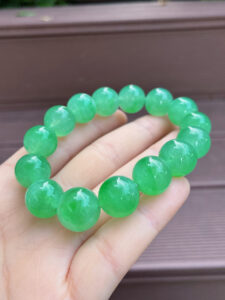
- Emerald Green
- Lavender
- Honey Yellow
- Rich Red Jadeite
The most valuable jadeite displays vibrant, even color distribution.
2. Transparency
Transparency is commonly described as:
- Glassy
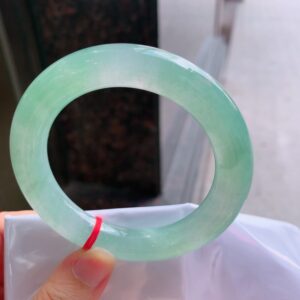
- Icy
- Semi-transparent
- Opaque
Higher transparency generally indicates finer jadeite quality.
3. Texture (Zhong)
Texture refers to the crystal structure of jadeite.
- Better luster
- Better translucency
- Higher durability
- Greater collector demand
In Chinese jade terminology, this characteristic is known as Zhong (种).
4. Craftsmanship
Exceptional carving can significantly increase value.
- Preserve valuable color zones
- Maximize transparency
- Create meaningful artistic designs
- Showcase the natural beauty of the stone
5. Rarity
High-quality jadeite rough has become increasingly scarce.
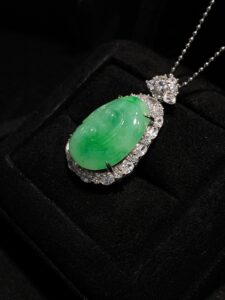
Fine Imperial Green jadeite, especially with strong translucency, remains one of the rarest and most valuable gemstone materials available today.
Why Experienced Collectors Look Beyond Type A
Seasoned collectors rarely purchase a jade piece simply because it is Type A.
Instead, they ask:
- How vibrant is the color?
- Is the transparency exceptional?
- Does the texture feel fine and compact?
- Is the craftsmanship outstanding?
- Is there a reputable laboratory certificate?
- Does the piece possess long-term collector appeal?
For professionals, Type A is merely the starting point.
The Importance of Jade Certification
When purchasing higher-value jadeite, certification is essential.
- Natural jadeite
- Treatment status
- Authenticity
- Identification details
Certification provides confidence, but it does not determine market value.
Why Type A Matters Less Than You Think
Jade Pendant A
- Type A
- Dull green color
- Opaque texture
- Average craftsmanship
Jade Pendant B
- Type A
- Vivid emerald green color
- Strong translucency
- Fine-grained texture
- Exceptional craftsmanship
Both are Type A.
Yet Pendant B may be worth dozens or even hundreds of times more.
What Buyers Should Focus On Instead
Authenticity
Always confirm the jade is natural.
Color
Look for vibrant, attractive color with good saturation.
Transparency
Greater translucency generally indicates finer material.
Texture
Fine texture often correlates with higher quality.
Craftsmanship
Superior carving enhances both beauty and value.
Personal Preference
The best jade is ultimately the piece that resonates with you personally.
Final Thoughts
The term Type A Jade is one of the most frequently used phrases in the jade industry.
While it is an important indicator of authenticity, it does not automatically mean a jade piece is rare, beautiful, collectible, or investment-grade.
Type A simply confirms that the jadeite has not been chemically treated.
The true value of jade lies in the combination of:
- Color
- Transparency
- Texture
- Craftsmanship
- Rarity
- Market Demand
The next time you encounter a seller promoting a piece as “Type A Jade,” remember that authenticity is only the first step.
The better question isn’t: “Is it Type A?”
The better question is: “How exceptional is the jade itself?”
Frequently Asked Questions
Does Type A Jade Mean High Quality?
No. Type A only indicates that the jadeite has not undergone chemical treatment. Quality depends on many other factors.
Is Type A Jade Better Than Type B Jade?
Generally yes, because untreated jadeite is preferred by collectors and tends to have better long-term stability.
Does Type A Jade Increase in Value?
Not necessarily. Appreciation depends on quality, rarity, market demand, and craftsmanship.
How Can I Verify Type A Jade?
Request an independent gemological certificate from a reputable laboratory before purchasing.